
You don’t need to live with diabetes to find yourself facing a diabetes emergency. Here’s what every bystander should know.
NATALIE ESCOBAR looks at how to recognise when someone may need help and the steps you can take.
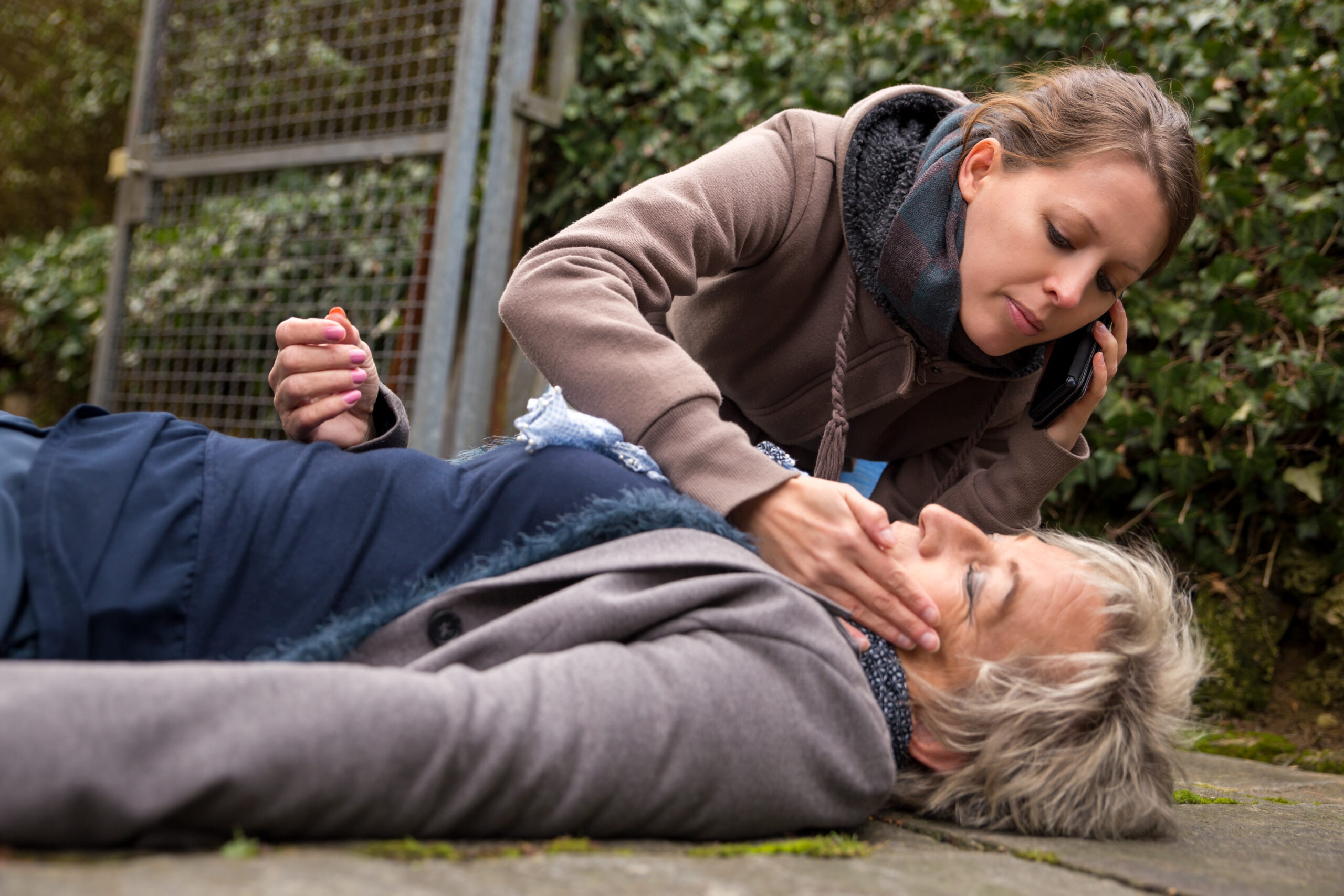
Imagine you’re walking down the street and the person in front of you suddenly seems confused, unsteady, or even collapses. Would you know what to do? Would you recognise that diabetes could be the cause?
Diabetes emergencies can happen anywhere – on the street, at work, at school, or on public transport. Knowing how to spot a diabetes emergency and what to do can make a real difference for someone in need.
What is a diabetes emergency?
Someone with diabetes may have a hypo (hypoglycaemia), which means their blood glucose level is too low, usually below 4 mmol/L. They can also have hyperglycaemia, where their blood glucose is higher than recommended.
What can cause a hypo?
Some people living with diabetes may be at risk of having a hypo if they take too much insulin or other medication, miss or delay a meal, exercise more than usual without planning or drinking alcohol. It can come on quickly and, if not treated, can become serious.
During a hypo, a person can experience the following symptoms:
- Weakness, trembling or shaking
- Sweating
- Light headedness/headache
- Difficulty concentrating
- Behaviour change
- Dizziness
- Tearfulness/crying
- Irritability
- Numbness around the lips/fingers
- Hunger
What does hyperglycaemia look like?
Hyperglycaemia usually develops more slowly than a hypo and happens when blood glucose is too high. High blood glucose is not always an emergency, but very high levels can lead to serious problems like diabetic ketoacidosis (DKA).
Early/moderate symptoms:
- Excessive thirst
- Frequent urination
- Fatigue or drowsiness
- Blurred vision
- Headache
Signs it’s becoming a medical emergency (DKA):
- Nausea or vomiting
- Abdominal pain
- Fruity-smelling breath
- Deep or rapid breathing
- Extreme tiredness or weakness
- Confusion
- Loss of consciousness
What to do in a diabetes emergency?
Being in a diabetes emergency can feel overwhelming. Try to stay calm and focus on helping the person who needs you.
Hypoglycaemia
If the person is conscious:
Step 1. Ask if they have their hypo treatment and if you can get it for them. Then give them their treatment of a fast-acting glucose (e.g. sugar, honey, cool drink, jellybeans/lollies, fruit juice.)
Step 2. Wait 15 minutes. Ask if they can check their glucose level. If it is still below 4mmol/L or if they can’t check and their symptoms aren’t improving repeat step 1.
Step 3. Once their glucose levels are above 4mmol/L encourage them to have a longer– acting carbohydrate-containing snack such as yoghurt, a piece of toast or piece of fruit.
If they are unconscious or unable to swallow:
- Call 000 immediately
- Do not give them anything to eat or drink if they are unconscious or unable to swallow safely.
- Turn them on their side (recovery position) while waiting for help.
Hyperglycaemia
Unlike a hypo, where blood glucose is low, you cannot treat high blood glucose with food or drink. High blood glucose does not always need emergency care. But if someone with diabetes is vomiting, confused, very drowsy, having trouble breathing, or becomes unconscious, they need urgent medical help.
If the person is awake and able to drink, encourage them to get medical advice if they are worried about their blood glucose or they can’t manage it themselves.
If they are confused, vomiting, or unconscious:
- Call 000 immediately.
- Do not give them anything by mouth as they may not be able to swallow it safely.
- Turn them on their side (recovery position) while waiting for help.
You do not need to know exactly what is happening to help. If you think someone with diabetes is having a medical emergency, call 000 and follow the instructions from the operator.