

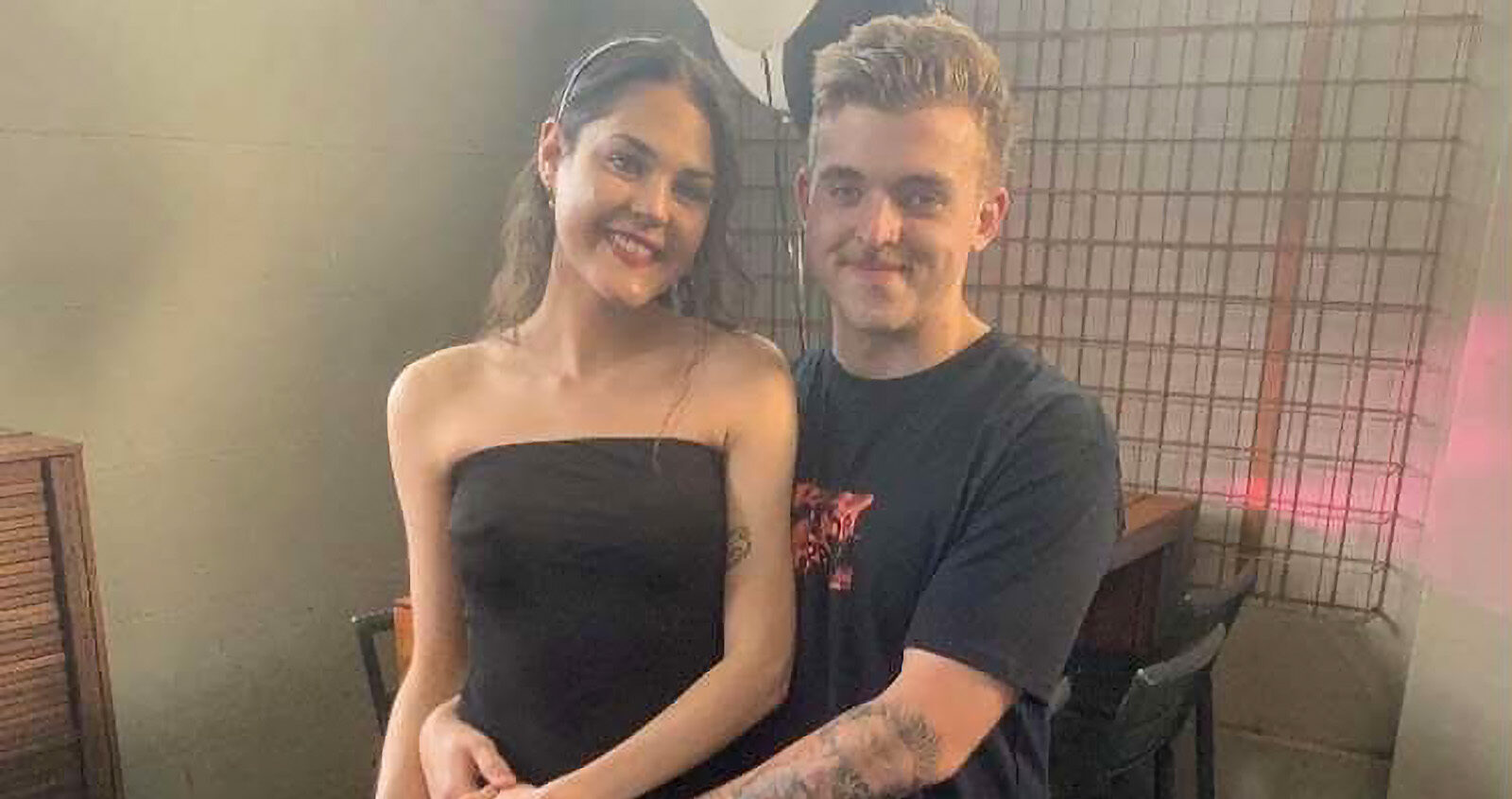
Dating with type 1 diabetes can bring unexpected challenges, from awkward conversations to hurtful misconceptions. Two women share their experiences of navigating relationships, judgement and finding support, writes NATALIE ESCOBAR.
When Cassie was 18, she agreed to a dinner date with someone she’d met on Tinder.
Her date seemed friendly, and things were going smoothly until their food arrived. Cassie checked her blood glucose levels before eating, and her date noticed and asked about it.
She casually explained that she had type 1 diabetes, which she had been managing since she was 10 years old.
“Oh my gosh. That’s a bit catfishy, don’t you think?” he responded, questioning why she hadn’t mentioned her diabetes on her Tinder profile.
As the conversation continued, his comments became increasingly hurtful.
“You’re like Snow White’s apple. You’re good on the outside and rotten on the inside.”
He eventually left the restaurant, and Cassie sat alone in tears. Luckily, her friends were nearby and came to pick her up, helping to salvage the evening.
Cassie isn’t the only one who has faced these attitudes steeped in judgement and ignorance while dating. Lauren, 24, has also dealt with misconceptions about her weight, lifestyle, and even the technology she uses to manage her condition.
Some of Lauren’s dates have struggled to understand how she could have diabetes without being overweight, jumping to conclusions about her lifestyle and eating habits.
She has also run into confusion about the insulin pump she uses to manage her diabetes.
“I’ve had past relationships where partners genuinely didn’t know what my pump was. I’ve had someone call my insulin pump an “iPod” or ask if I was wearing a nicotine patch – which is all laughs and jokes but also can be super embarrassing and make you hide it.”
Diabetes stigma can have a profound impact on how people living with the condition are seen by others and, at times, how they see themselves. It often comes from a lack of understanding and education, including the false idea that someone is at fault for having diabetes. This can lead to judgement, blame, and people being treated differently because of their condition.
For Lauren, these experiences have made her feel alone, disappointed, and less likely to talk about her diabetes, even outside of dating.
Cassie’s experience also changed how she approached dating. She used to feel confident about living with type 1 diabetes, but she began to worry whether future partners would accept her.
“It almost made me feel like it was a ‘flaw’ or trait that made me undesirable as a partner,” she said.
Now at 25 years old and five years into her relationship with her current partner—whom she also met on Tinder—Cassie has found someone who wants to learn about her life with type 1 diabetes and support her.
Even though Cassie’s partner already knew a little about type 1 diabetes from someone else, he still wanted to learn more. He attended diabetes education sessions with Cassie, researched diabetes technology, and even began carrying lollies, keeping a stash in his car in case she experiences a hypo.
“It just makes everything easier for me and takes a bit of that mental load off, so I can let loose and have fun with his support,” Cassie said.
Lauren has also found support from her current partner, despite her nerves and reservations about telling him that she had type 1 diabetes. When he first saw her administering insulin, he responded with curiosity rather than judgement, asking questions to better understand her condition.
“He asked me lots of questions, which I really appreciated. Some of them were definitely questions based on the common stigma around diabetes, like assumptions about sugar and what I could or couldn’t eat.”
Even with a supportive partner, type 1 diabetes can affect everyday life together, from disrupted sleep to travel plans.
“There have been times when I’ve been really sick, and he’s had to take days off to look after me, and he’s always been really understanding. It definitely affects him too, though. My blood sugar alerts can wake him up during the night, so it disrupts his sleep as well.”
Lauren loves to travel, but it takes extra planning to make sure she has enough insulin and diabetes supplies. Sometimes, she and her partner have to change their plans to fit her needs.
“I often split half of his suitcase for supplies and then the other half for me aha!”
For Cassie and Lauren, dating with type 1 diabetes has had its challenges. But their stories also show how much of a difference a supportive and understanding partner can make.
Looking back on her own experiences, Cassie shares some advice for others who are dating with diabetes.
“Not only will the right person not care or see it as a negative, but it can actually add to your life and benefit you in so many more ways.”
We know how important a person’s support network is when managing diabetes – our free Helpline is here for anyone in WA with questions about diabetes, and we welcome support people to our self-management programs.
Lauren’s name has been changed to protect her privacy.


