

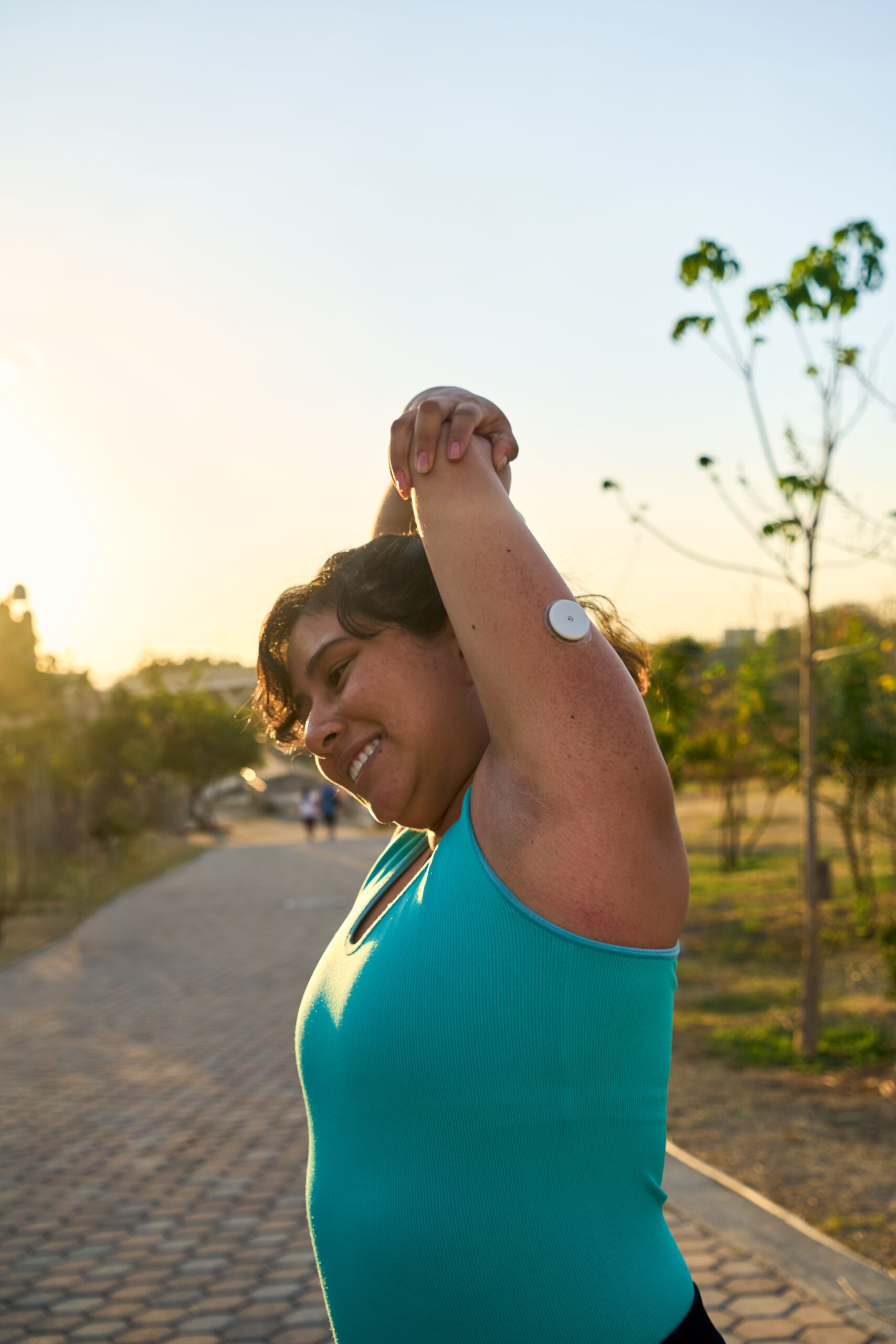
Our health team has some tips on how to stay active and well while on these medications.
GLP-1 medications such as Ozempic, Mounjaro and Wegovy have disrupted the weight loss industry and improved diabetes management in ways that have never been seen before. As well as helping with weight loss, they improve blood glucose levels, increase insulin sensitivity and have beneficial effects for the heart and kidneys.
This has been life-changing for people who have tried countless diets and exercise regimes with no success. Now, GLP-1 medications are part of many people’s diabetes management plan.
But while we may see the numbers on the scales drop more quickly with these medications, being physically active is still important.
The research is clear that long-term weight management is most effective when it is combined with regular physical activity. Exercise isn’t only about weight management. Many of us associate exercise with weight loss, but there are other reasons to get moving. A number of studies have shown that when people lose a significant amount of weight, some of this can be lean muscle mass. As we age, preserving or increasing our muscle mass is extremely important. The good news is that adding in or continuing to exercise can help to preserve our muscles.
Also, exercise feels good in the moment whether it’s a walk after dinner, a team sport or taking the dog to the park. This has a positive impact on our energy levels and mood. It may even have a knock-on effect on our food choices, because when we are feeling good, we may be less likely to reach for unhealthy ‘comfort foods.’
Diabetes WA Clinical Services manager Jess Weiss says that muscles also play a central role in blood glucose management, because they use a lot of glucose for fuel during exercise.
“Physical activity is a great way to help use up glucose from our blood and regulate glucose levels. It also reduces our body’s resistance to insulin, an important element to type 2 diabetes,” she says. “The more muscle we have and the more regularly we use it, the better equipped our body is to either prevent or manage type 2 diabetes.”
For all these reasons, exercise is important if you’re on weight-loss medications. Ideally we want to be moving for around 30 minutes a day, most days, with some resistance training in there. Aiming for at least two to three sessions of resistance training per week can help reduce the amount of lean muscle mass that is lost. It’s also important to keep in mind that these medications suppress your appetite, so you may find yourself eating less protein, which you need for maintaining your muscles.
ESSA (Exercise and Sports Science Australia) acknowledges that, like all medications, GLP-1 weight-loss medications carry risks.
“Weight-loss medications are changing rapidly and it’s essential that people who take them receive clear clinical guidance.”
They emphasise the need for coordinated care to avoid side effects such as loss of muscle mass.
Muscle mass is essential to our long-term health and wellbeing, so talk to your health team about what you need to consider when on GLP-1 medications
Staying active on GLP-1 medications
- Remember that consistency is important.
- Try for 30 minutes a day, most days of the week. This might mean walking, aerobic exercise and some resistance training, which is important for muscle strength.
- Including a variety of physical activity can be beneficial with at least 2-3 session focussed on building strength.
- Strength training is important for preserving muscle. This can include lifting weights, using resistance bands or doing exercises that use your body weight, such as squats and lunges.
- Pay attention to your diet and seek advice from your health team while on these medications to ensure you are receiving adequate protein.
- Get enough good-quality sleep. This will give you energy for physical activity and is also essential for muscle repair.
- Work with your GP and diabetes care team to develop an exercise routine and diet that works for you and your lifestyle.
Diabetes WA is here to support you.
We have exercise physiologists available to help you put together a personalised program, and we have dietitians who can work with you to create a realistic eating plan. We also run free exercise programs for people living with diabetes.
Call our Helpline on 1300 001 880 to find out more.