

Journalist ARA JANSEN shares some inspiring and practical tips on learning to manage type 2 diabetes, from building her support network to celebrating the small wins along the way.
As someone who lives alone, the work around having type 2 diabetes falls squarely on my shoulders. I’m in charge and all the choices are mine. This can be a double-edged sword. I can either keep eating the way I used to or do right by myself and my changing body.
After being diagnosed with type 2 diabetes late in 2025, I was forced to overhaul my life in short order. My answer to that was to create an eating plan that isn’t complicated and uses the half green veg, quarter carbs and quarter protein plate method. The local library is a great source of information, with books on diabetes and so many cookbooks.
While they have been inspirational and given me good ideas, the truth is I’m not interested in following a recipe. Instead, I prefer to look at aspirational photos and pinch elements for my own meals – a salsa for chicken, a dressing that will go over vegetables, a sauce that will work on low-GI pasta or a cut of meat I’ve not tried before.
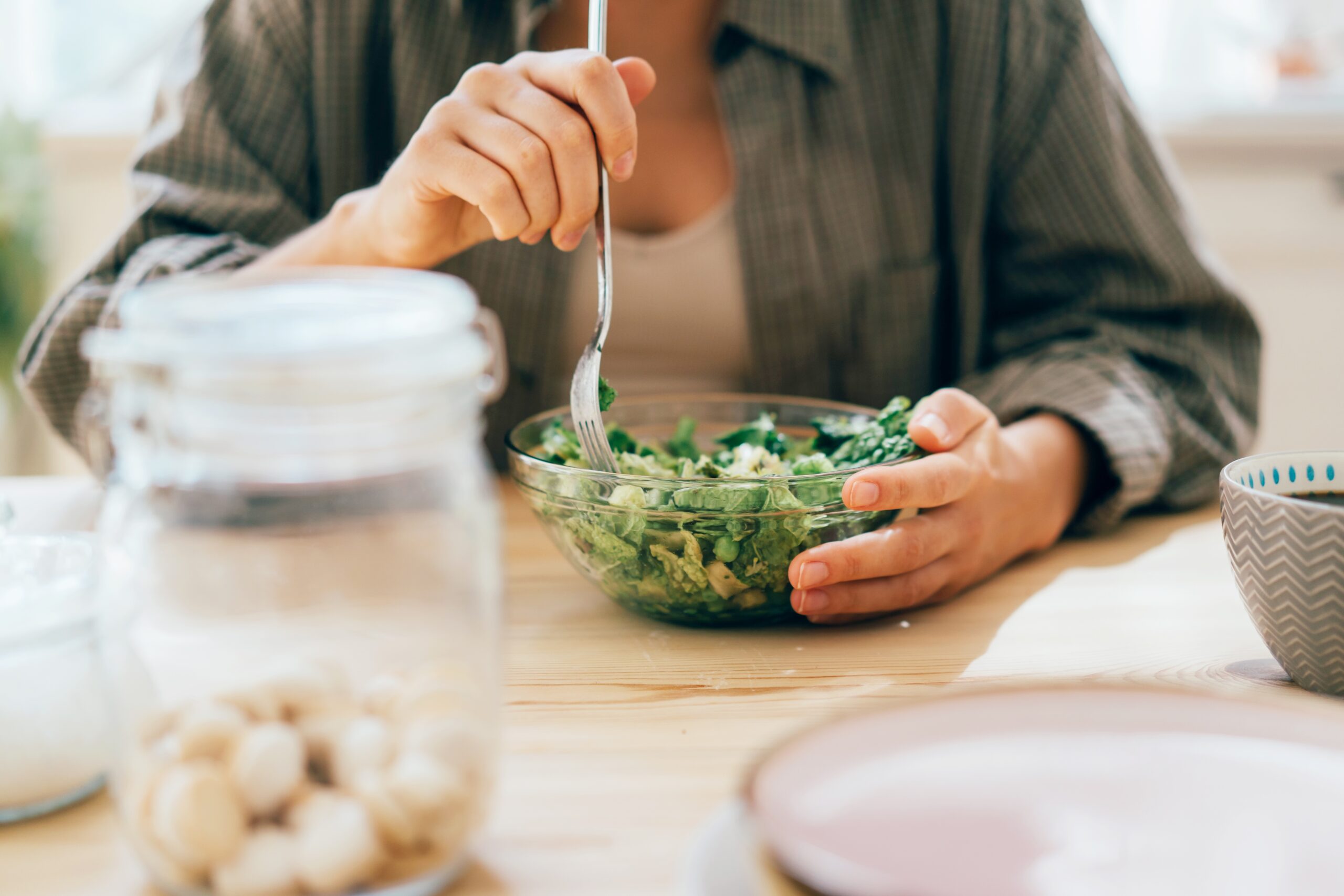
Colour in my meals is important – it makes food so much more visually appealing. I make sure each plate is packed with different veg, nuts, seeds and dressings. I’m particularly partial to tomatoes.
I find my life way less stressful if I make enough for two dinners at a time – tonight and leftovers. Maybe even a third for the freezer.
I have never been much of a cook. I’ve never been interested. Over the years I’ve fed myself well enough, but I cooked a handful of the same high-carb meals, ate out and bought pre-prepared meals. None of them included nearly enough vegetables. I also ate and drank way too much sugar. My ongoing challenge is to make sure I have enough variety in my meals to continue to eat the way that’s best for me.
Because I’m responsible for all my own meals, I also ensure I have a couple of very low-effort meals either in the freezer or easy-to-make ideas for those nights when I just can’t be bothered.
More cooking sticks me with more dishes. It’s annoying, but I try and see it as quiet Zen time and part of being organised. Dancing while cooking (safely of course) and doing dishes adds to my daily micro movement. I’m partial to the Best of Prince to help me dance my way through. Take all the small wins!
I have a strong team of professionals around me. They have been invaluable in answering the big and the small questions. My friends have been awesome and cheer me on as I share my triumphs with them – and maybe drive them a little mad with all my food photos. Both have been hugely important to my success so far. When needed, I ask for help and advice. I also write in my journal when I’m frustrated, in pain or can’t sort something.
One of the most helpful tools I created is my kitchen diary. It’s an A4 day-to-a-page diary where I log everything. Food, finger pricks, blood pressure, gym sessions, medications or the additions of supplements. Rather than being slavish about it, I try and use it as data for longer term trends, though I don’t always win.
The toughest part of living alone with diabetes is that no one is in the room with you to help calm the anxiety or when the blood glucose or blood pressure numbers wobble. No one is there for the quiet moments or to help calm my crazy monkey mind. How in the world did I get here and how much catastrophising will I do? Yes, I can message or call someone, ask someone to come over. But there are times when the only person available is me and that’s when I discover those reserves of courage.
Keeping on top of good health is vital and it’s sometimes bloody hard because it’s all up to me. I don’t always feel like it, but I work hard to make sure my helpful habits are in place and support me during those times. Somewhere beneath the worry and worst-case scenarios, I find the strength to steady myself and keep moving forward, one moment and one simple meal at a time.
Plus, I remember to celebrate the wins – big and small – and dance a little.
Find out about our LISTEN program
If you’re an adult and would like support with the emotional side of managing diabetes, LISTEN, a free Telehealth program, may help you.
If you would like to ask any questions about the program, you can call 1300 001 880 or email us at LISTEN@diabeteswa.com.au
And remember, you can always call the Helpline for any diabetes-related questions on 1300 001 880 – we are here to listen.


