

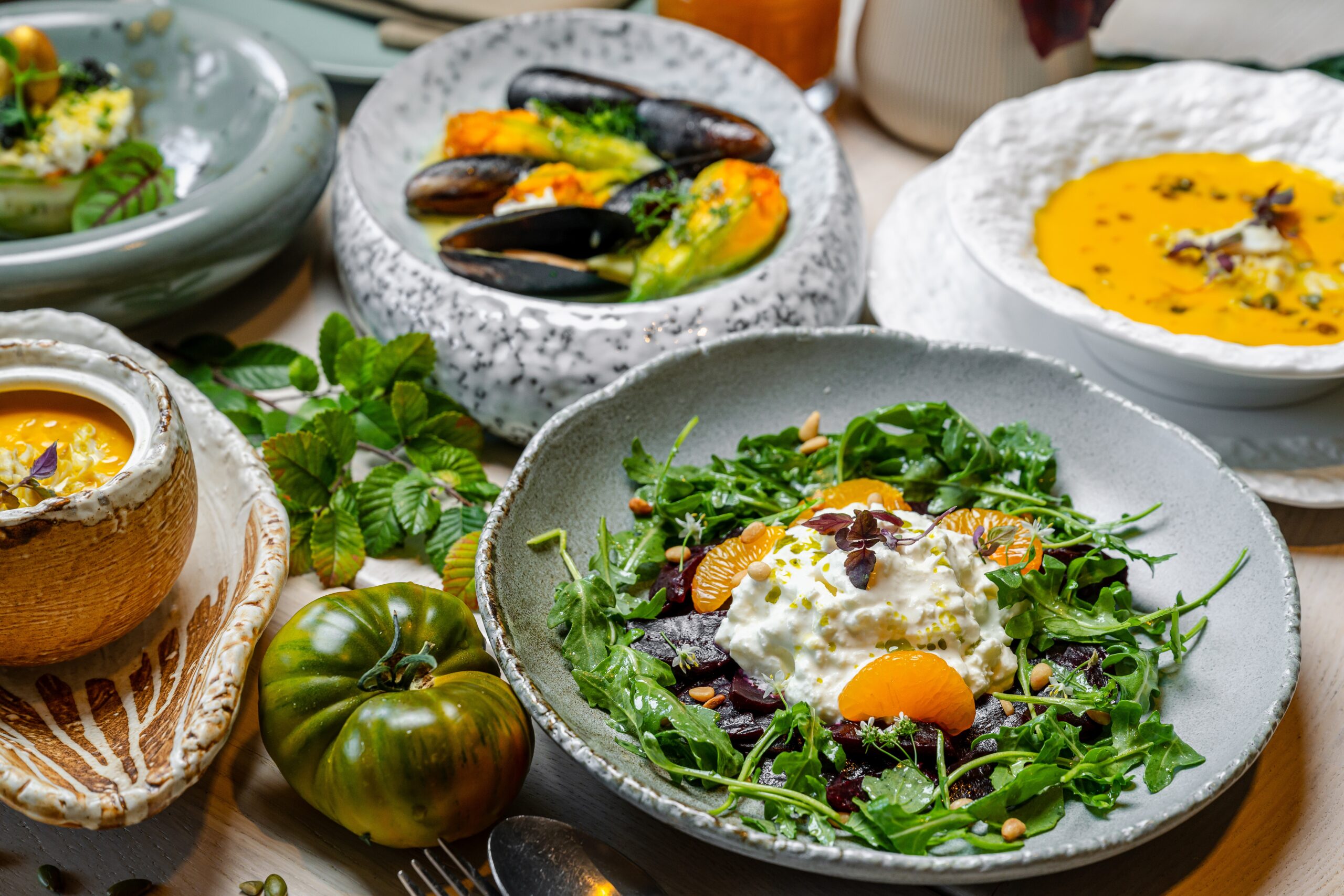
Since her type 2 diabetes diagnosis, journalist ARA JANSEN has developed a new way of judging and choosing restaurants. Forget the steak, she says. Show me your vegetables.
Eating out has changed since my type 2 diabetes diagnosis. No longer do I choose restaurants based on great pasta, their pad Thai, homemade bread or delicious desserts. These days, I now look very closely at what vegetables are on the menu – and a lot of the time I find cafes and restaurants lacking.
I ordered a beef burger at a pub over winter and asked for some tomato on it. The gal taking my order told me they didn’t have tomatoes in the kitchen. Huh?
An Asian fusion restaurant has lost my custom because they took stir fried veg off the menu. The broccolini that was left was three pieces of average and not enough to satisfy me. Another told me they wouldn’t stir fry their veg without some kind of sugar.
Clearly, I’ve not eaten at every restaurant in Perth, but I’ve had to become a lot more discerning. I look up the menu before I suggest a place to my friends. They have been wonderful and supportive in letting me lead the way and choose the dishes we share.
I subscribe to the plate rule of half being green and non-starchy vegetables, a quarter carbs and a quarter protein. That means vegetables are a really important part of my meals and, when eating out, I have to be vigilant.
I now expect a lot more from my vegetables, demanding they do the heavy lifting in a meal. At home, I can ensure I have enough volume and variety as well as cooking them well enough that they are the stars of my plate. When I eat out, I have less control and have to work at making sure I get what I need in terms of the right mix of vegetables, carbs and protein to keep my blood glucose happy.
Here are some observations
- Vegetables are the restaurant test. Anyone can make a steak impressive, but what can you do with a carrot, cabbage, cauliflower or brussels sprout? A humble ingredient can expose technique, imagination and care. It doesn’t need to be slathered in sauce to hide bad grilling.
- The supporting cast test. Restaurants still often create menus with protein as the star and sides that you have to buy separately. Remember when veggies used to fill the rest of the plate? Surely really good kitchens should treat every component as though somebody might have ordered the dish just for the veg.
- You can’t hide a badly cooked vegetable. Limp broccoli, watery zucchini, mushy carrots, undressed leaves – urgh! Good vegetables require judgement: heat, texture, seasoning and timing. Quality fresh produce tastes great in careful hands.
- The $2 ingredient challenge. There’s something so much more interesting about a chef turning an inexpensive cabbage into something memorable over just plonking an expensive piece of fish on a vast white plate with a drizzle of sauce.
- Texture is the giveaway. Great vegetables often have contrast – charred on the outside and sweet inside, crisp edges, crunch against softness. The difference between cooked and properly cooked becomes very obvious.
- Seasonal vegetables are best. A kitchen that changes its vegetables and their treatment according to the seasons and availability demonstrates plants are not just an afterthought. Let diners know that’s why they can’t have tomato on their burger versus just not having them.
- Vegetables tell you whether the chef even eats them. There are dishes that feel like someone actually gave it some thought as opposed to “we need something green on this plate.” I feel like it shows diners that the chef genuinely loves vegetables. Diners can tell. I can tell. I’m voting a big, fat no to crap veggies.
- The dreaded vegetable medley. Miserable broccoli, carrot and zucchini that appears to have been steamed together since the 80’s screams: “we thought very hard about your chicken but not at all about the rest of your dinner”. That’s just rude.
My measure of luxury has officially changed. Not that lavish for me was ever about truffles, wagyu and lobster, but I am now hugely impressed with someone who can make a humble vegetable taste great. I’ve taught myself and it’s not hard. It just takes some attention to detail. Ask the brussels sprouts in my fridge. A cook who uses his skill to cook vegetables well makes you wonder why you haven’t been eating them your entire life.
Vegetables now reveal generosity. Not necessarily a generosity in portion size but a generosity of attention. When the cheapest food on the plate has received as much thought as the most expensive, that tells you something about the restaurant. I want more places like that please.
Now I ask myself whether I would I order this dish again or will I leave the meal talking about the amazing broccoli instead of the protein. Wouldn’t it be awesome if a vegetable on the menu unexpectedly stole dinner?
Do you have a question about dining out with diabetes?
Call one of our friendly diabetes educators on 1300 001 880 from Monday to Friday, 8.30am to 4.30pm, and have a chat.
Or come along to one of our free diabetes self-management programs and build your skills and confidence in managing your diabetes, your way.