
Travel questions come up a lot on the Diabetes WA Helpline at this time of year. Here are some answers from our health team.
Can I access an extended CGM allocation?
Yes you can. Eligible NDSS registrants may be able to access an additional three-month supply of continuous glucose monitoring (CGM) or flash glucose monitoring (Flash GM) products in certain circumstances.
This can include travel or accidental loss of products. An extended allocation may be granted once in a twelve-month period and is recorded in your NDSS profile.
To discuss your circumstances, contact the NDSS Helpline on 1800 637 700 or speak with your healthcare provider.
What about travelling with diabetes medication?
Pack enough medication for your entire trip, plus extra in case of delays or lost luggage. When flying, keep essential diabetes supplies in your carry-on luggage and, where practical, divide them between two carry-on bags.
Keep medication in its original, clearly labelled packaging. You may need to show it to airport security, customs officers or a healthcare provider at your destination.
Put medication at the top of your packing list. Finding the correct insulin in an unfamiliar place is much harder than replacing a forgotten pair of sunglasses.
What do I need to pack?
Use these four categories as a checklist when preparing for your trip.
Insulin and delivery supplies
- Rapid-acting insulin, if it is part of your treatment, with the insulin pens and needles you need.
- If you use an insulin pump, pack enough consumables, plus extras, including infusion sets, reservoirs and insulin cartridges.
- If your insulin requires temperature-controlled storage, pack a cooler pack or insulated bag designed for medication.
Monitoring equipment
- If you have type 1 diabetes, pack a blood ketone monitor and in-date strips.
- If you use a CGM, pack your CGM supplies and any extra NDSS items you need, including a blood glucose monitor, in-date monitoring strips and lancets. Consider a backup monitor and spare batteries.
Emergency hypo supplies
- Pack a small emergency hypo kit with glucose tablets or gels and packaged snacks for quick carbohydrate intake.
- You may also need a glucagon kit. Check with your GP or diabetes educator about whether this is appropriate for you.
Documents and travel essentials
- Your NDSS card, a letter from your healthcare provider about your medications and copies of your prescriptions.
- A copy of your sick day plan, including emergency contact numbers.
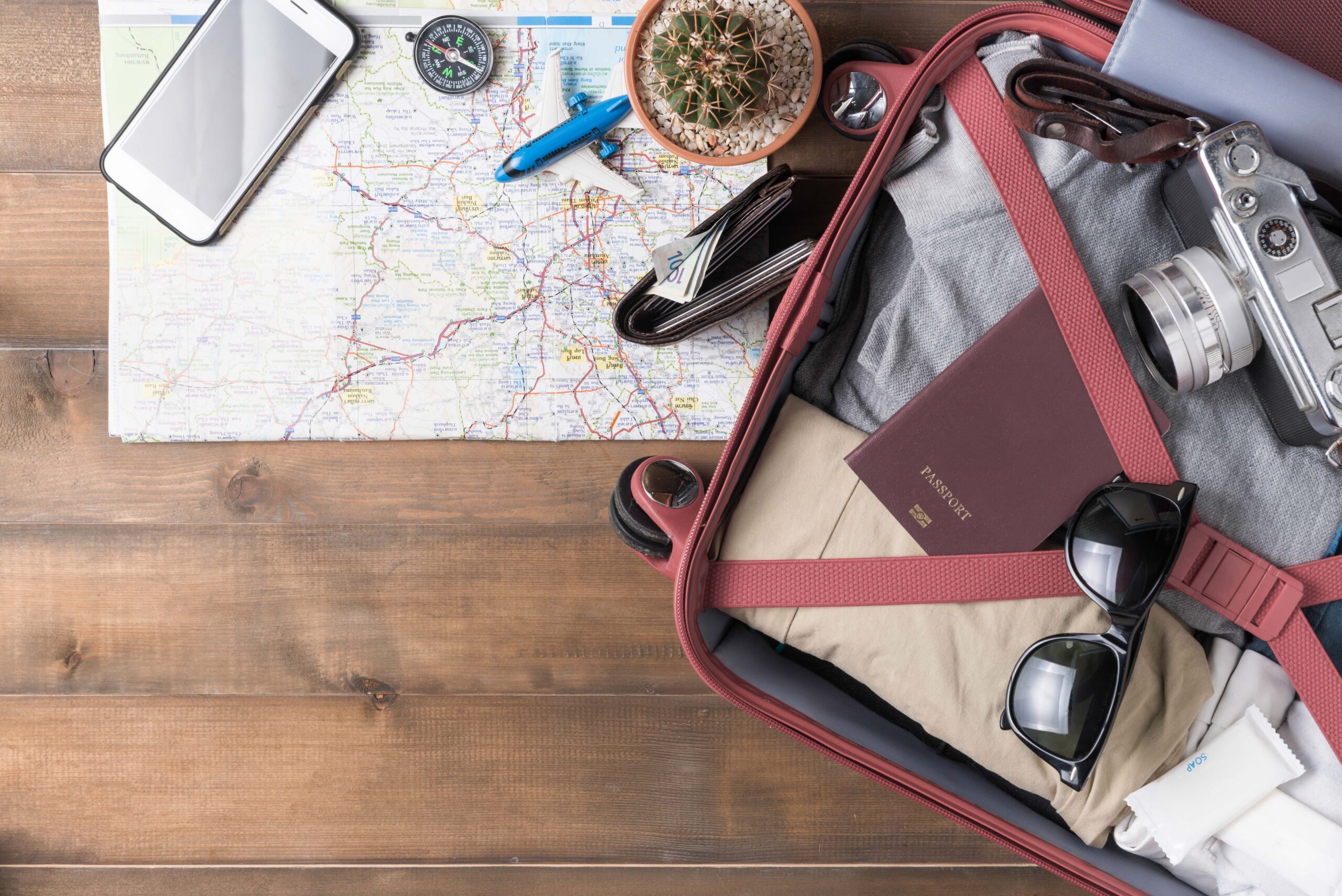
- Your passport, travel itinerary, insurance policy details and payment cards.
First aid and everyday medicines
A well-stocked first aid kit is also a good idea. Consider including:
- Pain-relief medicines such as paracetamol or ibuprofen.
- Antihistamines for allergies and mild reactions, plus insect bite cream.
- Anti-diarrhoea medicine (such as loperamide), antacids and anti-nausea medication.
- Over-the-counter cold and flu remedies for cough, congestion or sore throat.
- Oral rehydration salts for dehydration.
- Basic first aid supplies, including adhesive dressings, antiseptic wipes, tape, gauze pads and a digital thermometer.
What about airport screening?
Before you fly
- Check with your airline about whether you need medical clearance to fly, along with any current requirements for carrying medication and equipment.
- Ask your healthcare professional or device manufacturer whether your insulin pump, CGM or other equipment can safely pass through body scanners, metal detectors or x-ray equipment.
At the security checkpoint
- Keep spare sensors, receivers and a backup blood glucose meter in your carry-on luggage, along with your healthcare provider’s letter.
- Tell screening staff about your medical device or equipment before screening and explain any restrictions that apply to your device.
- Keep medicines and supporting documents accessible. Screening officers make the final decision about the amount of medication allowed in carry-on luggage. Carry enough for your flight and possible delays and check requirements with your airline in advance.
Body scanners and privacy
- You can request a private room to discuss your medical needs or undergo additional screening away from public view. Security screening is compulsory: refusing screening means you cannot proceed to board your flight.
- Australian body scanners use non-ionising millimetre-wave technology, not x-rays, and pose no known health risks. However, always follow the specific screening instructions for your medical device.
For current airport requirements, see Australian Government TravelSECURE guidance.
What about travelling with insulin?
Insulin and the 100 mL liquid rule
International flights generally restrict ordinary liquids, aerosols and gels to containers of 100 mL or less. Insulin and other necessary medication can be exempt from this limit. Keep your medication and proof of medical need ready to show at security, and check the rules for every country and airport you will travel through.
Ensure the name on your prescription or pharmacy label matches the name on your boarding pass. You may also wish to carry a translated letter from your healthcare provider, particularly when travelling to more remote destinations.
Check medication import restrictions in your destination and transit countries. Some destinations, including Japan, have additional requirements depending on the medication, its classification and the quantity carried.
Consider dividing your medication and other diabetes supplies between two carry-on bags, where practical, so you have a backup if one bag goes missing.
For international travel advice, see Smartraveller’s guidance on taking medicines overseas.
Do you have questions about travelling with diabetes?
Call the Diabetes WA Helpline on 1300 001 880 to talk to one of our diabetes educators.


